
Google Ads Conversion Tracking in Malaysia: Calls, WhatsApp, Forms and Lead Quality
Conversion tracking should show which advertising activity creates meaningful business opportunities. That requires clear action definitions, reliable implementation and feedback after the first click or form submission.
What conversion tracking actually measures
Website conversion measurement records selected actions people take after interacting with advertising. Google Ads can measure website actions, phone calls, app activity and offline outcomes through different methods.
The first decision is not which tag to install. It is what the business considers meaningful. A page view, a phone-link click, a successful form submission, a qualified call and a completed sale describe different stages of the customer journey.
Choose actions that reflect the enquiry journey
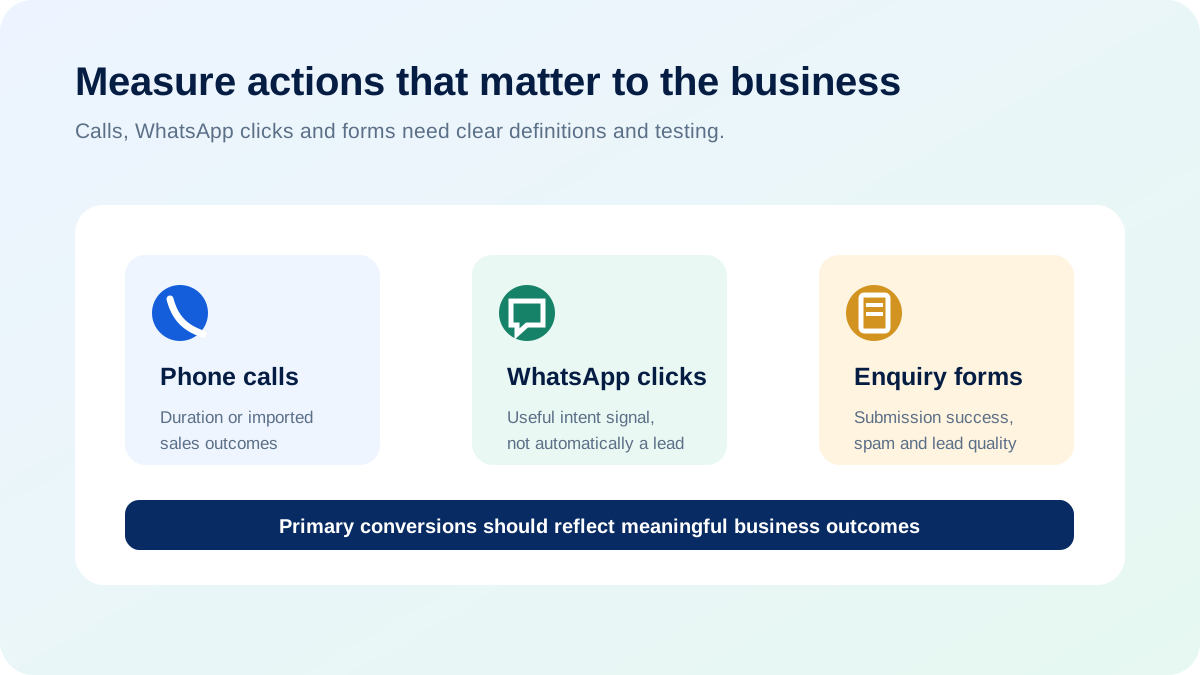
A Malaysian service business may receive enquiries through calls, WhatsApp and forms. Recording all three can improve visibility, but the labels must remain honest.
| Action | What it proves | What it does not prove |
|---|---|---|
| Phone-link click | A visitor selected the call link. | That a call connected or was useful. |
| WhatsApp click | A visitor opened the messaging path. | That a message was sent or qualified. |
| Successful form submission | The website accepted a completed form. | That it was genuine, serviceable or valuable. |
| Qualified lead | The business confirmed useful commercial potential. | That a sale was completed. |
Use names such as "WhatsApp click" rather than "WhatsApp lead" when the implementation can only observe the click. Precise naming makes reports easier to interpret.
Measuring phone calls
Google Ads supports different call-conversion methods, including calls from advertisements, calls to a number on the website, clicks on a phone link and imported call outcomes. Availability and setup requirements can differ by country and implementation.
Website call conversion tracking may use a Google forwarding number and a minimum call duration. Duration can help filter very short calls, but it does not replace qualification. A long wrong-number call is not valuable; a short appointment confirmation may be useful.
Businesses with suitable call or customer systems can import outcomes that occur after the call, such as a qualified opportunity or sale. This creates a closer connection between advertising and business value than counting dial attempts alone.
Measuring WhatsApp actions carefully
A website can record when someone clicks a WhatsApp link or button. That is a useful intent signal for many Malaysian businesses, but the website normally cannot confirm what happened inside the external messaging application from the click alone.
Treat the click as a clearly named website action. Then compare platform totals with real conversations: Did the person send a message? Was the enquiry relevant? Was the location serviceable? Did the team respond?
Measure successful form outcomes, not button presses
A form conversion should ideally fire after the website confirms a successful submission, such as a valid success event or thank-you page. Tracking the submit-button click alone may count invalid forms, blocked submissions or repeated clicks.
Test required fields, server errors, spam controls, duplicate submissions and mobile behaviour. Confirm that refreshing a thank-you page does not create avoidable duplicates. If a customer can submit different forms, decide whether they represent the same goal or need separate reporting.
Primary and secondary conversion actions
Google Ads groups conversion actions into goals. Primary actions can appear in the Conversions column and can be used for bidding when the relevant goal is selected. Secondary actions are generally for observation and appear in All conversions.
A sensible lead-generation setup may use a successful enquiry form or qualified call as primary, while keeping supporting interactions such as brochure downloads or contact-page views secondary. The correct structure depends on the business and available data.
Review account-default goals and campaign-specific goals. A well-configured tag can still produce poor optimisation if the campaign is bidding towards the wrong action.
Connect conversions with lead quality
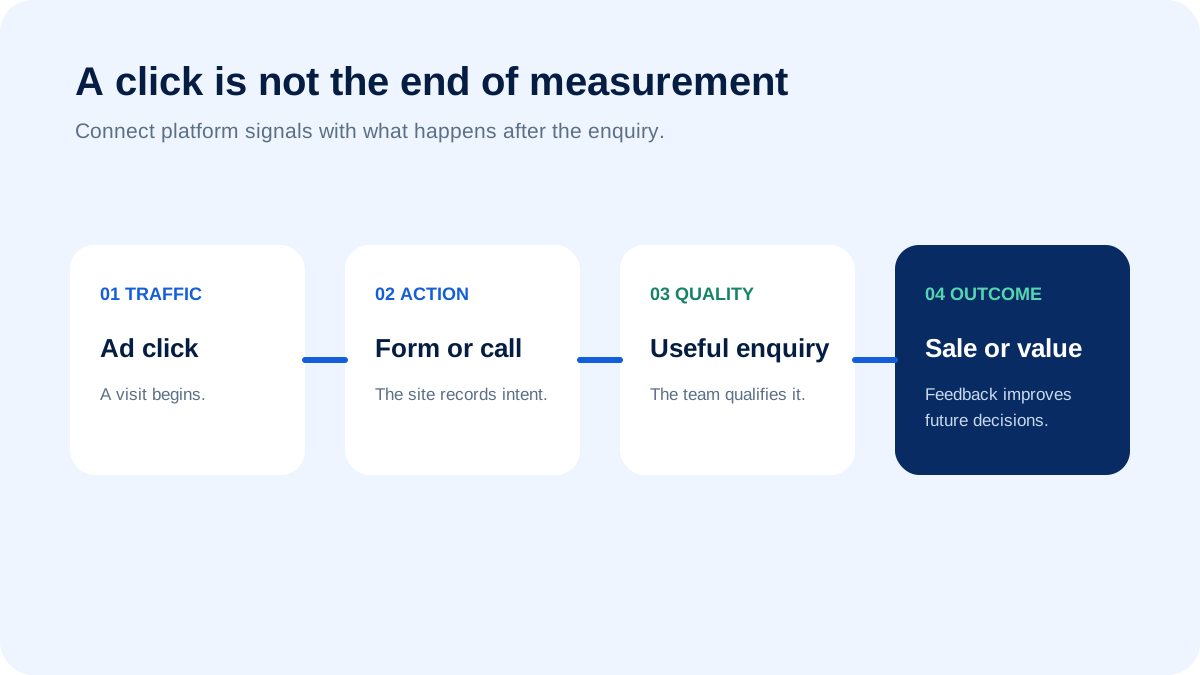
Advertising platforms observe online signals; the sales or service team sees the outcome. Join those views through simple lead-status reporting, a spreadsheet, call notes, a CRM or offline conversion imports when appropriate.
- Was the enquiry genuine?
- Did it match the advertised service?
- Was the location and timing suitable?
- Was the person contacted?
- Did it become a quote, appointment or sale?
This feedback can reveal that one keyword produces fewer but better enquiries, or that a high-converting form attracts low-value requests. Cost per qualified lead is often more useful than cost per recorded button click.
Conversion tracking testing checklist
- Write a plain-language definition for every conversion action.
- Confirm the tag or event fires only at the intended success point.
- Test desktop and mobile paths.
- Check duplicate events and refresh behaviour.
- Verify primary, secondary and campaign-goal settings.
- Compare Google Ads diagnostics with real test enquiries.
- Review consent, privacy and customer-data obligations.
- Document changes so reporting differences can be explained.
Tracking is not a one-time installation. Website changes, form plugins, consent tools, phone numbers and campaign goals can all affect measurement. Re-test after material changes.
Frequently asked questions
What should a Malaysian lead-generation campaign track?
Is a WhatsApp click a conversion?
What is the difference between primary and secondary conversions?
How do I know whether a conversion tag works?
Sources and further reading
Product details were checked on 14 August 2026 using official Google Ads Help.